


In today’s fast-paced world, it’s easy to overlook routine health checkups—especially if you’re feeling fine. For adults between the ages of 30 and 65, skipping your physical exam may not seem like a big deal, but it can have serious consequences. A physical exam is more than just a formality; it’s a proactive measure that helps detect potential health issues before they become life-threatening.
Whether you’re managing a busy career, raising a family, or simply trying to stay on top of daily responsibilities, your health should never take a back seat. Ignoring your annual physical exam increases the risk of undiagnosed conditions that could quietly be developing without noticeable symptoms. In this article, we’ll break down exactly why avoiding this essential checkup could put your health—and even your life—at risk.
What Happens During a Routine Physical Exam
A physical exam is a comprehensive evaluation of your overall health, typically performed once a year. It begins with a review of your medical history, including any past surgeries, chronic conditions, or current medications. Your healthcare provider will check vital signs such as blood pressure, heart rate, respiratory rate, and temperature. A head-to-toe physical assessment follows, often including checks of the heart, lungs, abdomen, skin, and neurological functions.
Lab tests may be recommended based on your age, gender, and risk factors. These could include bloodwork to assess cholesterol, blood sugar, kidney and liver function, and complete blood count. For adults in the 30–65 age range, additional screenings like EKGs, cancer screenings, or immunizations might also be part of the exam.
The purpose of this annual visit is not just to find problems but to establish a health baseline. Tracking changes over time allows doctors to notice subtle shifts that could signal emerging issues. It’s also a valuable opportunity to discuss lifestyle habits, nutrition, mental health, and risk factors specific to your family history or job-related stress.
Related: 6 Essential Screenings Everyone Should Get
Common Conditions Detected Early Through Exams
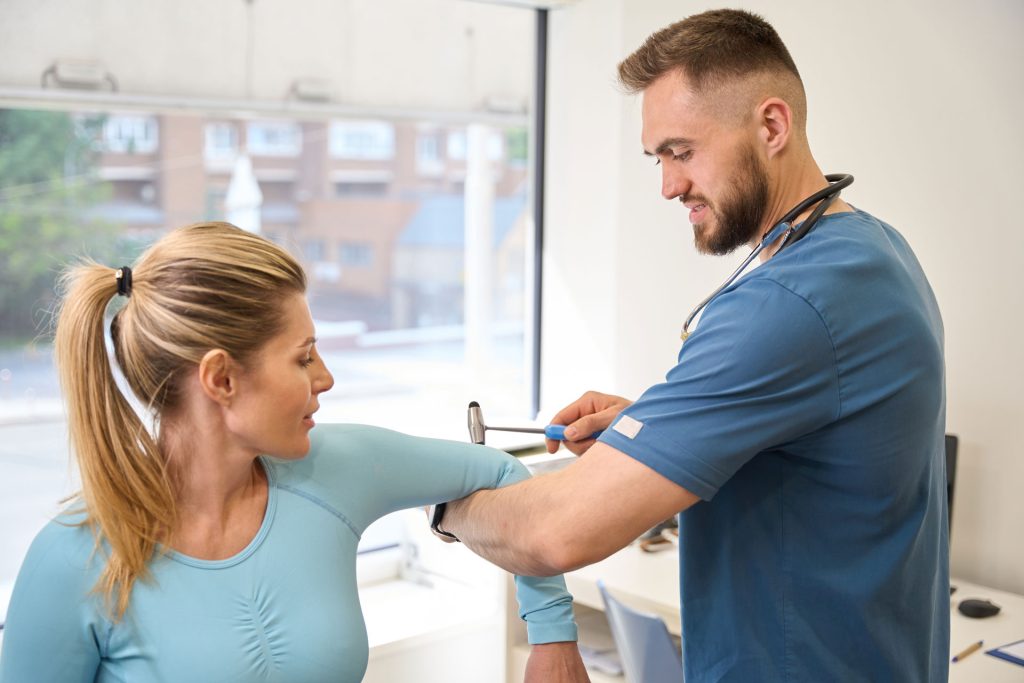
Many adults avoid physical exams because they feel fine—but early detection is one of the key benefits of regular checkups. A physical exam can uncover conditions that often develop silently, without noticeable symptoms until they reach an advanced stage. Catching these early allows for more effective treatment and better outcomes.
Some of the most common conditions identified early through routine exams include:
- High blood pressure: Often symptomless but can lead to heart attack or stroke.
- Type 2 diabetes: Detected through fasting glucose tests or A1C screenings.
- High cholesterol: A major risk factor for cardiovascular disease.
- Thyroid disorders: May cause fatigue, weight changes, and mood issues.
- Kidney and liver abnormalities: Identified via blood or urine tests.
- Certain cancers: Skin exams, colonoscopies, and prostate checks are examples.
By detecting these conditions early, your healthcare provider can recommend lifestyle changes, medications, or further diagnostic testing to prevent serious health events. Regular physical exams also help monitor how well existing conditions are being managed.
Related: Common Issues Monitored During Post-Op Follow-Ups
The Hidden Costs of Skipping Your Physical Exam
Skipping your physical exam might save you time and a copay in the short term, but it can cost you far more down the road. When potential health issues go unnoticed, they often develop into more complex and expensive problems. Treating a disease in its early stages is almost always less costly—both financially and physically—than addressing it later.
For example, managing prediabetes through diet and exercise is far less expensive than dealing with full-blown diabetes, which can involve medication, glucose monitoring, and potential hospital visits. The same goes for high blood pressure or elevated cholesterol—conditions that can be controlled early to avoid costly interventions like heart surgeries or long-term medication regimens.
Beyond financial costs, there’s also the personal toll. Chronic illnesses can reduce your quality of life, limit mobility, and increase stress and fatigue. Preventative care through regular exams minimizes these risks by keeping your health on track and enabling timely interventions.
Related: The Power of Consistent Care in Chronic Disease Management
Why “Feeling Fine” Isn’t a Good Reason to Skip
One of the most common reasons adults skip their physical exam is the belief that “if I feel fine, I must be healthy.” Unfortunately, many serious health conditions don’t cause symptoms until they’ve progressed significantly. Feeling fine doesn’t guarantee your body isn’t facing silent threats.
For instance, high blood pressure is known as the “silent killer” for a reason—it doesn’t usually present symptoms until it’s caused damage to your heart or arteries. Similarly, high cholesterol or early-stage diabetes can exist unnoticed for years. By the time you feel unwell, the condition may have already become more serious.
Think of your physical exam like a routine check-up for your car. You wouldn’t wait for smoke to come out of the engine before taking it to the mechanic. In the same way, a physical exam helps catch subtle signs of trouble early on, before they escalate into serious issues that impact your life and longevity.
Related: Why Annual Checkups Are More Important Than You Think
How Physical Exams Help Track Long-Term Health Trends
Routine physical exams aren’t just about the here and now—they provide a long-term health record that helps your doctor understand changes in your body over time. This is especially important for adults in the 30–65 age range, as this period often brings gradual but important shifts in metabolism, cardiovascular health, hormone levels, and more.
Over several years, your physician can detect patterns in your blood pressure, cholesterol levels, weight, and other key indicators. These patterns can highlight early signs of chronic conditions or deteriorating health. For example, a slow but steady increase in fasting blood sugar may be a warning sign of developing insulin resistance.
Consistent data also allows your doctor to make better-informed decisions. Rather than relying on a single point-in-time measurement, they can compare results across multiple exams to determine what’s “normal” for your body. This personalized insight is invaluable for effective prevention and early treatment. Maintaining a regular schedule for your physical exam ensures your long-term health trends are being properly monitored and managed.
Overcoming Common Excuses for Avoiding Checkups
Many adults between the ages of 30 and 65 avoid their physical exam for reasons that seem valid at the moment but fall apart under scrutiny. Addressing these excuses head-on is the first step toward prioritizing your health.
Here are the most common excuses—and why they shouldn’t hold you back:
- “I don’t have time.” Exams typically take less than an hour a year. Your health is worth that.
- “I feel healthy.” Many conditions don’t show symptoms until damage is done.
- “It’s too expensive.” Preventative care is often covered by insurance and costs less than treatment.
- “I hate going to the doctor.” Anxiety is common, but regular visits can make future ones easier.
- “I’m too young for health problems.” Issues like high blood pressure and cholesterol can start in your 30s.
Making your health a priority doesn’t mean overhauling your life—it starts with showing up once a year for a routine exam. That small step could save you from major complications later on.
Don’t wait for symptoms to appear before taking your health seriously. Regular checkups can catch silent issues before they become serious. If you’re due—or overdue—for your annual physical exam, now is the perfect time to act. At Primary Care of Albuquerque, we specialize in preventative care for adults aged 30 to 65, offering compassionate and comprehensive exams tailored to your needs.
Located conveniently in Albuquerque, New Mexico, our clinic is led by Jana Welder, FNP, a trusted family nurse practitioner dedicated to helping you stay ahead of potential health issues. Schedule your physical exam today and make your health a top priority.