

Staying on top of your health doesn’t always mean waiting for symptoms to appear. In fact, some of the most serious health conditions can develop silently, without noticeable warning signs. That’s why preventive screenings are such a vital part of modern healthcare. These tests can detect problems early—when they’re most treatable—and give you peace of mind about your well-being.
Whether you’re in your 20s or approaching retirement, understanding which screenings to get and when can make all the difference. This guide breaks down the six most essential screenings everyone should consider, helping you take a proactive approach to your long-term health.
Let’s take a closer look at what you should be checking—and why it matters.
Blood Pressure Screening: The Silent Killer Check
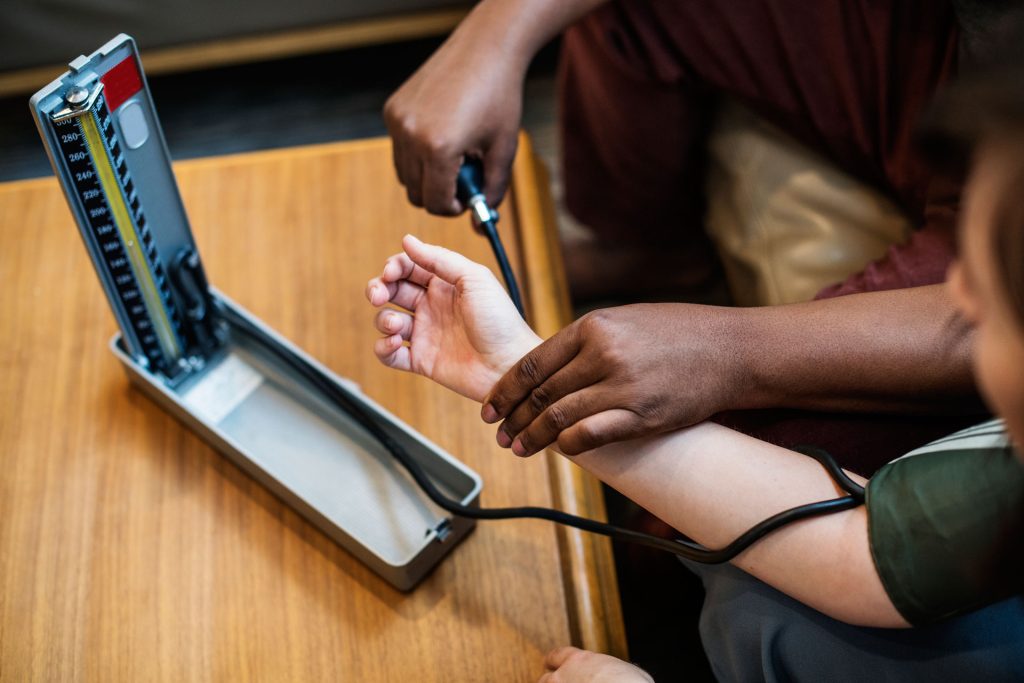
High blood pressure, often referred to as the “silent killer,” typically has no symptoms until serious complications arise. Left unchecked, it can lead to heart disease, stroke, kidney failure, and other life-threatening issues. That’s why regular screenings are crucial—especially since managing high blood pressure is often simple with lifestyle changes and medication.
Adults should begin routine blood pressure checks at age 18. If your readings are normal, once every two years may be enough. However, if your numbers are elevated or you have other risk factors like obesity or diabetes, more frequent checks are advised. Home monitoring can also be helpful for those managing ongoing blood pressure concerns.
Screening takes just a few minutes and can be done in a doctor’s office, pharmacy, or even at home with an accurate cuff. Don’t let something so manageable sneak up on you. Getting your blood pressure checked regularly is one of the simplest and most effective ways to take control of your health.
Cholesterol Screening: Why Your Heart Depends on It
Cholesterol isn’t inherently bad—your body needs it to function. But too much of the wrong kind can lead to plaque buildup in your arteries, significantly increasing the risk of heart disease and stroke. Cholesterol screenings help identify imbalances early, giving you time to make dietary, lifestyle, or medication changes to protect your heart.
The general recommendation is for adults to have their cholesterol levels checked every 4 to 6 years starting at age 20. However, those with a family history of heart disease, obesity, or other risk factors may need more frequent testing. A simple blood test known as a lipid panel measures your total cholesterol, LDL (bad cholesterol), HDL (good cholesterol), and triglycerides.
Even if you feel healthy, high cholesterol can be quietly damaging your arteries. By keeping tabs on your numbers, you can take proactive steps that may include exercising more, cutting back on saturated fats, or starting medication. In short, regular cholesterol screenings are a key part of any long-term heart health plan.
Related: Common Issues Monitored During Post-Op Follow-Ups
Diabetes Screening: Catching It Early Matters
Diabetes can develop gradually over time, and many people with the condition don’t know they have it. That’s why screenings are so important—early detection can prevent complications like vision loss, kidney disease, nerve damage, and cardiovascular problems.
The most common screening methods include the fasting plasma glucose test, A1C test, and oral glucose tolerance test. These blood tests measure your blood sugar levels and provide insight into how your body processes glucose. Adults aged 35 and older should begin regular screening, especially if they are overweight or have risk factors like a sedentary lifestyle, high blood pressure, or a family history of diabetes.
The earlier diabetes is detected, the more manageable it is—often with changes in diet, exercise, and weight management. In some cases, medication may be necessary. But the good news is that with the right support and habits, many people are able to keep their blood sugar levels under control and live full, healthy lives.
Related: The Power of Consistent Care in Chronic Disease Management
Colon Cancer Screening: Not Just for Older Adults
Colon cancer is one of the most preventable—and treatable—types of cancer when caught early. Yet many people put off this important screening due to discomfort or fear. It’s recommended that adults begin regular screenings at age 45, or earlier if they have a family history of the disease or other risk factors.
There are several types of colon cancer screening tests, including colonoscopy, stool tests, and flexible sigmoidoscopy. A colonoscopy remains the gold standard because it not only detects cancer but also allows for the removal of polyps before they become cancerous. While the procedure requires preparation and a short recovery time, the potential to save your life is well worth the effort.
Early-stage colon cancer often has no symptoms, which is why screenings are vital. If caught early, survival rates are significantly higher, and treatment is less invasive. Taking the time to get screened is one of the best investments you can make in your long-term health.
Related: Why Annual Checkups Are More Important Than You Think
Skin Cancer Screening: Sun Damage and Early Detection
Skin cancer is the most common form of cancer in the world, and early detection is key to successful treatment. Regular screenings help identify suspicious moles or growths before they turn dangerous. Here are key things to know:
- Who should get screened: Everyone, but especially those with fair skin, a history of sunburns, tanning bed use, or a family history of skin cancer.
- How often: Once a year for full-body checks, or more frequently if you have a history of skin issues.
- What to look for: Use the ABCDEs of melanoma—Asymmetry, Border irregularity, Color changes, Diameter over 6mm, and Evolving appearance.
- Where to go: A dermatologist can perform a professional skin exam and educate you on self-checks at home.
Sun exposure accumulates over time, even if you think you’re being careful. Annual screenings combined with daily sun protection can dramatically reduce your risk of developing skin cancer.
Related: How to Know if Your Condition is Urgent or Non-Urgent
Mental Health Screenings: An Essential for Overall Wellness
Mental health is just as important as physical health, yet it’s often overlooked. Regular screenings can help identify conditions like depression, anxiety, PTSD, and other emotional challenges early, when they’re most treatable. Here’s why they matter:
- Mental health impacts everything: From your sleep to your work performance, untreated mental health issues can ripple through all areas of life.
- Common symptoms are subtle: Feeling “off,” low energy, irritability, or trouble concentrating are often early signs.
- Screenings are quick: Most involve simple questionnaires and follow-up conversations with a primary care provider or mental health professional.
- Support is available: From therapy to medication to lifestyle adjustments, many tools exist to help you feel better and function fully.
Mental health screenings should be part of your routine check-ups, just like physical exams. By normalizing these conversations, we break the stigma and prioritize well-being in a meaningful, impactful way.
Don’t wait for symptoms to appear—be proactive about your health with regular screenings that can catch potential issues early. Whether you’re due for a check-up or want to establish a preventive care routine, Primary Care of Albuquerque is here to help.
Located in Albuquerque, New Mexico, our team is committed to providing personalized, compassionate care for every stage of life. Jana Welder, FNP, leads with a patient-first approach, helping you understand your health needs and guiding you through each essential screening.
Book your appointment today and take a confident step toward lifelong wellness with Primary Care of Albuquerque.