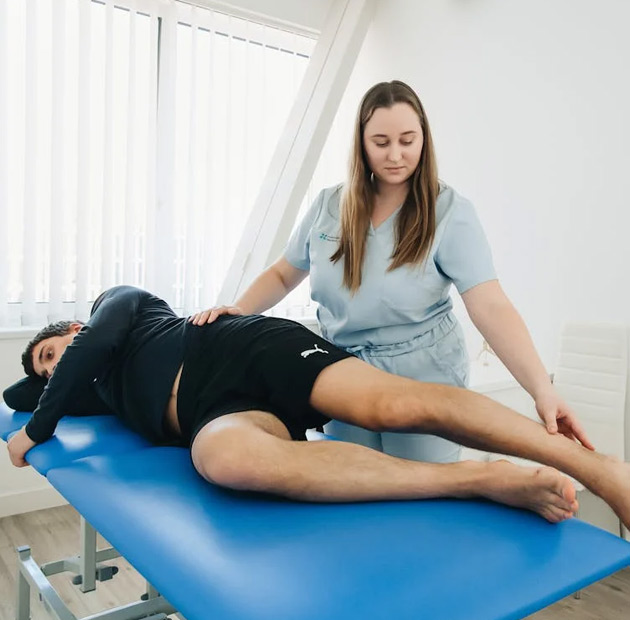
Preventative healthcare focuses on maintaining wellness and disease prevention. By adopting healthy habits, undergoing routine and recommneded screenings, and staying informed about health risks, individuals can reduce the likelihood of chronic illnesses and improve their overall well-being.
Regular physical exams are an essential part of maintaining good health. They help detect potential health issues early, assess overall wellness, and ensure preventive measures are in place. A comprehensive physical exam provides valuable insights into your current health status and allows your healthcare provider to recommend necessary lifestyle adjustments
Reduces the risk of chronic diseases like heart disease, diabetes, and cancer.
Enhances overall quality of life and longevity.
Helps lower healthcare costs by preventing costly medical treatments.
1. Regular Health Screenings and Checkups
Schedule routine physical exams with healthcare providers.
Monitor changes in health and address concerns promptly.
2. Vaccinations and Immunizations
Stay up to date with essential vaccines, including flu shots, tetanus, and COVID-19 boosters.
Ensure children and adults receive age-appropriate immunizations.
Protect yourself and others from preventable diseases.
3. Healthy Diet and Nutrition
Maintain a balanced diet rich in fruits, vegetables, whole grains, and lean proteins.
Limit processed foods, sugary beverages, and excessive salt intake.
Stay hydrated and practice mindful eating habits.
4. Physical Activity and Exercise
Engage in at least 150 minutes of moderate-intensity exercise per week.
Include a mix of cardiovascular, strength training, and flexibility exercises.
Find enjoyable activities to stay active consistently.
5. Annual Wellness Exam
Discussion of medical history, lifestyle habits, and preventive screenings.
6. Sports Physicals
Required for athletes and individuals participating in sports activities.
Assesses fitness levels, joint flexibility, and overall physical condition.
Helps identify any conditions that may impact athletic performance.

Medical History Review – Discussion of personal and family health history.
Vital Signs Assessment – Measurement of blood pressure, heart rate, and other key indicators.
Physical Examination – Evaluation of the body, including the heart, lungs, skin, and neurological functions.
Screening Tests – Depending on age and risk factors, tests may include blood work, cholesterol levels, and diabetes screenings.
Immunization Updates – Review and administration of necessary vaccines.
Health Recommendations – Guidance on diet, exercise, and lifestyle modifications.
Early detection of health conditions such as hypertension, diabetes, and heart disease.
Preventative care to maintain long-term wellness.
Opportunity to discuss health concerns and receive professional advice.
Ensures compliance with work, school, or athletic requirements.
At Primary Care of Albuquerque, our patients are at the heart of everything we do. But don’t just take our word for it—hear from those who have experienced our care firsthand. From managing chronic conditions to achieving healthier lifestyles, our patients share how we’ve made a difference in their lives. Read their stories and discover why so many trust us with their health and well-being.