

A post-op follow-up is a critical part of the surgical care process. Whether the procedure is minor or major, follow-up visits allow healthcare providers to ensure proper healing, prevent complications, and monitor overall recovery. These appointments are designed not only to check surgical sites but also to assess the patient’s general well-being and response to treatment.
For patients, knowing what issues are commonly monitored during these follow-ups can help reduce anxiety and improve communication with care providers. For clinicians, it serves as a structured approach to proactively manage patient outcomes and reduce the risk of readmission. In this blog, we’ll explore the most common issues that are monitored during a post-op follow-up, why they matter, and what both patients and providers should be watching out for.
Surgical Site Healing
One of the first and most obvious areas of focus during a post-op follow-up is the surgical site itself. Healthcare providers carefully examine the incision for signs of proper healing. This includes looking for reduced redness, minimal swelling, and closure of the wound edges. Any unusual drainage, warmth, or pain can indicate a potential infection or other complication.
Scarring is also evaluated during these visits. While some scar formation is expected, excessive or abnormal scarring may require additional treatment or monitoring. In certain procedures, especially cosmetic or orthopedic surgeries, scar appearance can significantly impact patient satisfaction and recovery.
Patients are typically asked about how the area feels—whether there’s pain, tightness, or discomfort. Any feedback provided helps guide further treatment decisions, such as wound care changes or the need for imaging to rule out deeper complications. Ensuring proper healing is foundational to a successful recovery, making this one of the most consistently monitored post-op concerns.
Related: The Power of Consistent Care in Chronic Disease Management
Signs of Infection
Preventing infection is a major priority after any surgical procedure. During a post-op follow-up, clinicians assess for signs of both local and systemic infections. This might include checking the patient’s temperature, reviewing blood test results (if needed), and closely inspecting the wound site.
Signs such as fever, chills, increased pain, or foul-smelling discharge from the incision are red flags that prompt immediate action. Infections that go unnoticed or untreated can escalate quickly and lead to serious health risks, including sepsis.
Here are common infection indicators monitored during post-op follow-ups:
- Persistent or increasing redness around the incision
- Pus or cloudy drainage from the wound
- A feeling of warmth in the affected area
- Fever above 100.4°F (38°C)
- Swelling that doesn’t subside or worsens over time
Educating patients on what to look for at home is just as vital as the clinical assessment. This proactive approach helps catch potential issues early, often before they become more serious.
Related: Why Annual Checkups Are More Important Than You Think
Pain Management and Medication Review
Pain is a natural part of post-operative recovery, but managing it effectively is crucial for both comfort and healing. During follow-up visits, providers assess how well the patient’s pain is controlled and whether any medication adjustments are needed. This includes both prescription medications like opioids and over-the-counter options such as acetaminophen or ibuprofen.
Too much pain can limit mobility, disrupt sleep, and increase stress—all of which can slow recovery. Conversely, inadequate medication monitoring can lead to dependency or side effects. Follow-ups are the best time to discuss dosage changes, tapering schedules, or alternatives to narcotics.
This is also an opportunity to review any side effects or concerns related to other post-op medications, including antibiotics or anti-inflammatories. Any signs of drug interactions or allergic reactions should be flagged during these appointments. By staying on top of pain and medication concerns, providers help ensure a smoother and safer recovery.
Related: How to Know if Your Condition is Urgent or Non-Urgent
Range of Motion and Functional Recovery
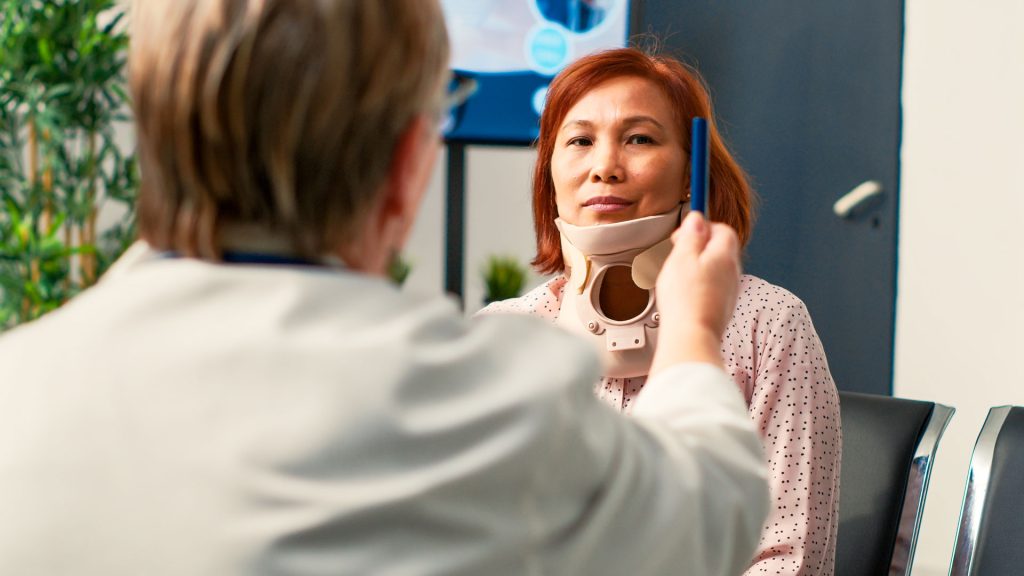
After surgery, especially orthopedic or musculoskeletal procedures, regaining movement and physical functionality is a key goal. Post-op follow-ups allow healthcare providers to monitor progress and identify any barriers to mobility. They may assess the patient’s ability to perform certain movements or daily activities without excessive pain or stiffness.
Physical therapy progress is often discussed during these visits. If a patient is not progressing as expected, adjustments to their rehabilitation plan may be made. This might include adding new exercises, modifying existing ones, or exploring other treatments such as occupational therapy or assistive devices.
Even for non-orthopedic surgeries, monitoring mobility helps detect systemic issues like muscle deconditioning or post-op fatigue. Recovery is more than healing a wound—it’s about restoring overall function, and this area is a central focus in follow-up care.
Related: What Happens During an Acute Care Visit?
Blood Clot Prevention and Circulatory Health
Certain surgeries, particularly those involving prolonged immobility or lower extremities, can increase the risk of blood clots. Post-op follow-up visits play an essential role in monitoring signs of deep vein thrombosis (DVT) or pulmonary embolism, both of which can be life-threatening if not addressed quickly.
Healthcare providers may look for:
- Swelling in the legs or ankles
- Redness or warmth in one limb
- Unexplained shortness of breath
- Chest pain that worsens with deep breathing
- Pain or tenderness in the calf or thigh
Patients may also be evaluated based on their activity levels and asked about their use of compression devices or anticoagulant medications. Monitoring for clots is particularly critical in the first few weeks after surgery, and early detection can prevent serious complications.
Emotional and Psychological Well-Being
Surgery can take a toll on a person’s mental and emotional health. Feelings of anxiety, depression, or even post-operative regret are more common than many realize. That’s why many providers now incorporate emotional check-ins during post-op follow-up visits.
Signs of emotional distress might include trouble sleeping, lack of appetite, irritability, or withdrawal from normal activities. These changes can affect healing and the ability to stick with recovery plans. In some cases, patients might benefit from counseling, support groups, or stress-reducing practices like mindfulness and breathing techniques.
Here are a few emotional challenges providers often monitor:
- Post-surgical anxiety or fears about recurrence
- Depression related to mobility loss or lifestyle changes
- Body image concerns after cosmetic or reconstructive surgeries
- Stress about return to work or financial pressures
By recognizing the emotional dimension of recovery, providers can offer more comprehensive, compassionate care during post-op follow-ups.
Whether you’ve recently had surgery or are preparing for an upcoming procedure, it’s essential to have trusted healthcare support throughout your recovery. At Primary Care of Albuquerque, we prioritize your healing journey—physically, mentally, and emotionally. Conveniently located in Albuquerque, New Mexico, our team is committed to providing attentive and personalized post-operative care that monitors all the key issues that impact recovery.
Jana Welder, FNP, leads our patient-centered approach with extensive experience in guiding individuals through every stage of healing. From managing surgical site care to addressing emotional well-being, our team is here to support your full recovery.
Don’t navigate post-op follow-ups alone—schedule your appointment with Primary Care of Albuquerque today and experience compassionate care designed around you.