

In today’s fast-paced world, it’s easy to ignore our health until a problem arises. But the truth is, many serious illnesses—like cancer, heart disease, and diabetes—can be detected early or even prevented through timely preventative screenings. These medical tests are not just for people with symptoms; they’re essential tools that help identify risks before they become life-threatening.
For the general public, understanding and prioritizing preventative screenings can mean the difference between early intervention and late-stage diagnosis. In this blog, we’ll explore how these screenings work, which ones are most important, and how they can play a vital role in saving your life.
What Are Preventative Screenings and Why Do They Matter?
Preventative screenings are routine medical tests performed to detect potential health issues before symptoms appear. These screenings are designed to identify risk factors or early signs of disease, allowing for quicker, more effective treatment or lifestyle changes that can prevent illness altogether. In essence, preventative screenings are proactive—not reactive—healthcare.
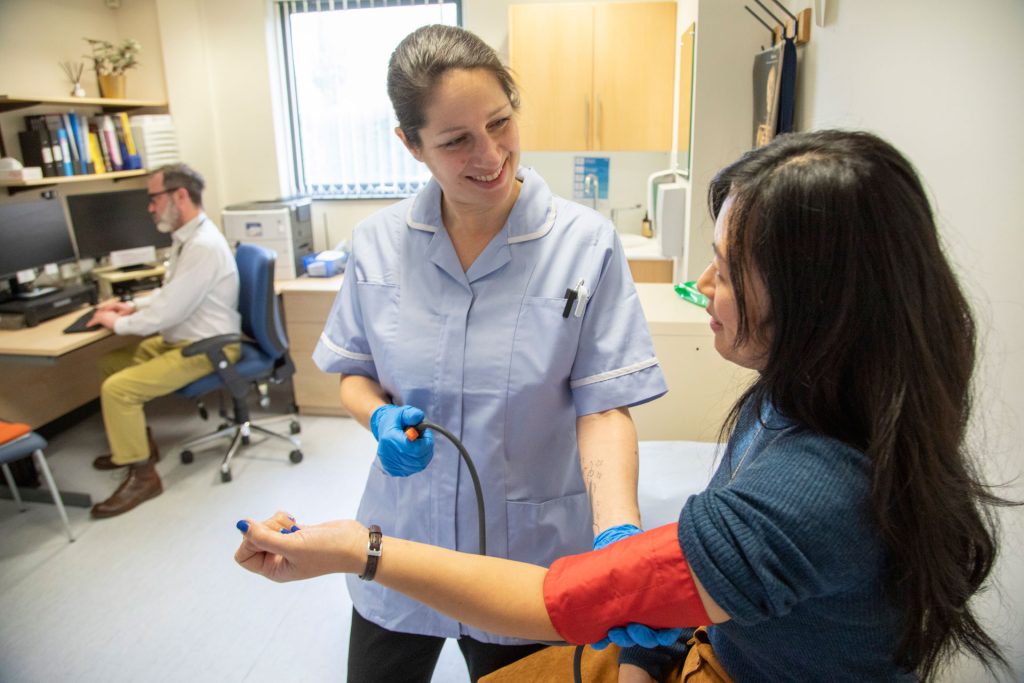
For the average person, preventative screenings can be lifesaving. For example, a simple blood pressure check can reveal early signs of hypertension, reducing the risk of heart attack or stroke. Similarly, colonoscopies can detect precancerous polyps before they turn into colon cancer. The primary goal is to catch conditions in their earliest stages when they are most treatable and least costly to manage.
Preventative screenings also encourage regular interaction with healthcare providers, helping build a strong foundation for overall wellness. They create opportunities to discuss diet, exercise, mental health, and more. In a society where many diseases develop silently, preventative screenings offer a critical safety net—one that has the power to save lives, improve quality of life, and reduce the long-term burden on healthcare systems.
Related: Questions to Ask at Your Next Primary Care Appointment
Common Preventative Screenings Everyone Should Know About

There are several key screenings that most adults should be aware of. Knowing what they are and when to get them can make a significant difference in long-term health outcomes. Here are some of the most common and impactful preventative screenings:
- Blood Pressure Check – Helps detect hypertension, which can lead to heart disease or stroke if left untreated.
- Cholesterol Test – Monitors heart health and helps manage risk of cardiovascular issues.
- Colonoscopy – Essential for detecting colon cancer and precancerous polyps.
- Mammogram – Recommended for women to detect breast cancer early.
- Pap Smear and HPV Test – Helps identify cervical cancer risk in women.
- Skin Cancer Screening – Examines moles or lesions that could be cancerous.
- Diabetes Screening – A simple blood test can help catch early signs of type 2 diabetes.
- Bone Density Test – Identifies osteoporosis risk, especially important for postmenopausal women.
- Prostate Exam – Detects early signs of prostate cancer in men.
Each of these screenings is recommended based on age, gender, and family history. While not everyone will need every test, having a conversation with a healthcare provider can help personalize a preventative screening plan that meets individual needs.
Related: Why Skipping Your Physical Exam is Risky
How Early Detection Improves Treatment Outcomes
One of the biggest advantages of preventative screenings is the opportunity for early detection. When diseases are identified in their initial stages, the chances of successful treatment increase significantly. This can mean less invasive treatment options, reduced side effects, and a much better prognosis.
Take cancer, for instance. When breast cancer is found during a routine mammogram at stage 1, treatment is generally more effective and less aggressive than if it’s discovered at stage 3 or 4. The same goes for colorectal or prostate cancer. Early detection through preventative screenings often results in higher survival rates and better quality of life post-treatment.
Beyond cancer, screenings for conditions like high cholesterol, high blood pressure, and prediabetes allow individuals to make lifestyle changes before full-blown disease develops. A person who discovers elevated blood sugar levels can manage their diet, exercise, and medication proactively—possibly avoiding type 2 diabetes entirely.
Ultimately, early detection doesn’t just save lives—it helps people maintain active, fulfilling lives with fewer disruptions. It minimizes healthcare costs and time lost from work or family life, making it a win-win for both individuals and healthcare systems.
Related: 6 Essential Screenings Everyone Should Get
Age-Based Screening Guidelines You Should Follow
Preventative screenings aren’t one-size-fits-all. Many are based on age, and following the right schedule ensures you’re staying ahead of potential health issues. While recommendations can vary slightly, here’s a general guide for age-based preventative screenings:
- In Your 20s and 30s:
- Blood pressure check every 2 years
- Pap smear every 3 years (women)
- STD screenings based on risk factors
- In Your 40s:
- Cholesterol test every 4–6 years
- Mammogram every 1–2 years (women)
- Blood glucose screening for diabetes
- In Your 50s:
- Colonoscopy every 10 years
- PSA test for prostate health (men)
- Bone density scan for women at risk
- In Your 60s and Beyond:
- Annual flu shot
- Hearing and vision exams
- Continued cancer screenings as recommended
Screening frequency and start times can vary based on individual risk factors such as family history or lifestyle. That’s why it’s essential to consult with your healthcare provider. Following age-appropriate screening guidelines is a powerful step in taking control of your long-term health.
Related: Common Issues Monitored During Post-Op Follow-Ups
The Financial and Emotional Benefits of Preventative Care
Preventative screenings not only save lives—they can save significant financial resources over time. Catching a disease early typically requires less aggressive treatment, fewer hospital visits, and lower medication costs. Treating stage 1 cancer, for example, is far less expensive than treating advanced-stage disease with surgery, chemotherapy, or extended hospital stays.
Emotionally, the peace of mind that comes from knowing your health status is invaluable. Routine preventative screenings can reduce anxiety by either confirming you’re in good health or revealing manageable conditions before they escalate. For many, staying proactive creates a sense of empowerment and control over their health journey.
In addition, insurance companies often cover most preventative screenings at little to no cost. This includes blood pressure checks, cholesterol tests, mammograms, and more. Many healthcare plans are structured to encourage early detection, which benefits both the patient and the provider by avoiding higher costs down the road.
Making time for regular screenings may feel like a hassle, but the financial and emotional dividends they pay are substantial. Prioritizing preventative care can lead to a longer, healthier, and more confident life.
Overcoming Barriers to Getting Screened
Despite the clear benefits, many people delay or avoid preventative screenings due to fear, inconvenience, or misinformation. Overcoming these barriers is essential to making screenings a normal part of healthcare.
Fear of the unknown or potential results can deter people from getting tested. However, it’s important to remember that early diagnosis leads to better outcomes. Education and reassurance from healthcare providers can help alleviate this anxiety.
Logistical challenges—such as lack of transportation, inflexible work hours, or no access to a primary care provider—can also play a role. Expanding access through community health centers, mobile screening units, or employer-sponsored health days can make a big difference.
Cultural or language barriers may discourage people from seeking screenings. Providing multilingual resources and culturally competent care can build trust and increase participation in preventative programs.
Finally, a general lack of awareness is a common issue. Many individuals simply don’t know which screenings they need or how often. Public education campaigns, social media awareness, and clear communication from providers are key to closing this gap and encouraging timely screenings for all.
Don’t wait for symptoms to take control of your life. Schedule your preventative screenings with Primary Care of Albuquerque and take the first step toward a healthier future. Located in Albuquerque, New Mexico, our dedicated team—led by experienced provider Jana Welder, FNP—is here to guide you through every stage of proactive, personalized care. Contact us today to prioritize your well-being and stay ahead of potential health concerns.