

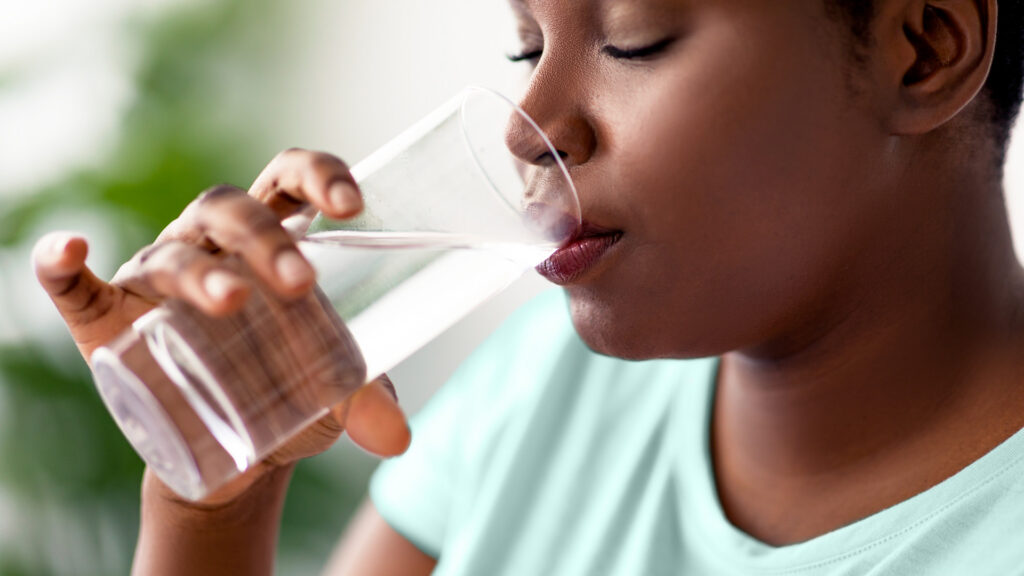
Hydration affects nearly every system in the body, from brain function and energy levels to digestion, circulation, and temperature control. Many people associate hydration only with thirst, but proper hydration also supports heart health, joint function, kidney performance, and immune response. Understanding the importance of hydration can help people improve their daily wellness, prevent avoidable health issues, and feel better overall.
When people think about staying healthy, they often focus on exercise, nutrition, sleep, or preventive care. While those habits are essential, hydration is one of the most overlooked factors in overall wellness. Water supports countless processes throughout the body, and even mild dehydration can affect how people think, feel, and function during the day.
For adults juggling work, family responsibilities, and busy schedules, it can be surprisingly easy to overlook hydration. Many people do not realize that headaches, fatigue, dizziness, dry skin, muscle cramps, and poor concentration may be connected to inadequate fluid intake. Proper hydration is not simply about drinking more water when you feel thirsty. It is about consistently giving the body the fluids it needs to perform efficiently.
Healthcare providers regularly see how hydration impacts both short-term comfort and long-term health. From supporting kidney function to improving digestion and circulation, hydration plays a much larger role in health than many people realize. Understanding how hydration affects the body can help individuals make simple lifestyle changes that lead to better daily health outcomes.
How Does Hydration Affect the Body’s Major Systems?
Hydration influences almost every major system in the human body. Water helps transport nutrients, regulate body temperature, cushion joints, support organ function, and remove waste products. Without proper hydration, the body cannot perform these functions efficiently.
The circulatory system relies heavily on adequate fluid levels. Blood is largely made up of water, which means dehydration can reduce blood volume and make it harder for the heart to pump blood effectively. This may contribute to fatigue, dizziness, or difficulty concentrating. People who are not properly hydrated may also experience increased strain on the cardiovascular system during physical activity or hot weather.
The digestive system also depends on hydration to function properly. Fluids help the body break down food and move waste through the intestines. Inadequate hydration may contribute to constipation, bloating, or digestive discomfort. Water also supports healthy kidney function by helping the kidneys filter waste and maintain the body’s fluid balance.
Hydration affects the musculoskeletal system as well. Joints contain fluid that acts as a cushion between bones, helping reduce friction and discomfort during movement. Muscles also require proper hydration to perform efficiently. Dehydration can increase the likelihood of muscle cramps, weakness, and reduced physical endurance.
The brain is another area strongly affected by hydration. Studies consistently show that even mild dehydration can impact focus, memory, mood, and mental clarity. Many people notice they feel more tired, irritable, or mentally sluggish when they have not consumed enough fluids during the day.
Because hydration supports so many essential body functions, maintaining consistent fluid intake is one of the simplest yet most effective ways to support overall wellness.
Related: How Sleep Impacts Your Overall Health
What Are the Common Signs of Dehydration?
Many people assume dehydration only becomes a problem during extreme heat or intense exercise, but mild dehydration can happen during normal daily routines. Recognizing early warning signs is important because symptoms often develop gradually and may be mistaken for other health concerns.
Some of the most common signs of dehydration include:
- Persistent thirst
- Dry mouth or dry skin
- Fatigue or low energy
- Headaches
- Dizziness or lightheadedness
- Dark yellow urine
- Muscle cramps
- Difficulty concentrating
- Constipation
- Increased irritability
In some cases, dehydration can become more serious if fluid loss continues without replacement. Severe dehydration may cause confusion, rapid heartbeat, fainting, or dangerously low blood pressure. Young children and older adults are particularly vulnerable because they may not recognize thirst signals as easily or may have underlying medical conditions that increase fluid loss.
Hydration needs can also increase during illness. Fever, vomiting, diarrhea, and excessive sweating can all deplete the body’s fluid levels more quickly than usual. Individuals who work outdoors, exercise frequently, or live in dry climates may need additional fluids throughout the day.
Caffeine and alcohol consumption may also contribute to dehydration in some situations, especially when people rely heavily on these beverages without balancing them with water intake. Additionally, certain medications can increase fluid loss or alter the body’s hydration balance.
Recognizing the signs of dehydration early allows people to take simple corrective steps before symptoms become more serious. Consistent hydration habits can help reduce many preventable health complaints and improve day-to-day comfort.
Related: Why Routine Blood Tests Are a Key Part of Preventive Care
Why Is Hydration Important for Energy and Brain Function?
Many people blame stress, lack of sleep, or busy schedules for low energy and poor concentration, but hydration is often an overlooked factor. The brain and nervous system rely heavily on proper fluid balance to function efficiently. Even mild dehydration can affect cognitive performance and energy levels.
When the body loses fluids without adequate replacement, blood circulation becomes less efficient. This means oxygen and nutrients may not reach the brain as effectively as they should. As a result, individuals may experience fatigue, slower thinking, reduced focus, and mental fog. People sometimes notice that they feel unusually tired or unmotivated during the day simply because they have not consumed enough fluids.
Hydration also affects mood regulation. Research has shown that dehydration may contribute to irritability, anxiety, and difficulty managing stress. Because the brain depends on stable hydration levels, small changes in fluid balance can influence emotional well-being and mental clarity.
Proper hydration becomes especially important for people with demanding work schedules, students, caregivers, and older adults. Long periods without fluids can reduce concentration and productivity, making routine tasks feel more difficult than usual. Athletes and physically active individuals may also experience slower reaction times and decreased endurance when dehydrated.
Sleep quality can also be indirectly affected by hydration. Dehydration may contribute to dry mouth, headaches, muscle cramps, and discomfort that interfere with restful sleep. On the other hand, balanced hydration throughout the day may help support better physical recovery and overall energy.
While hydration alone cannot solve every issue related to fatigue or concentration, it plays a foundational role in supporting brain performance and daily energy levels. Building consistent hydration habits is a simple but valuable step toward maintaining both physical and mental wellness.
Related: The Importance of Regular Blood Pressure Monitoring
How Much Water Does the Body Really Need?
Hydration needs vary from person to person, which is why there is no single amount of water that works for everyone. Factors such as age, activity level, climate, overall health, and diet all influence how much fluid the body requires each day.
While many people are familiar with the “eight glasses of water a day” guideline, actual hydration needs may be higher or lower depending on individual circumstances. Someone who exercises frequently, spends time outdoors in hot weather, or works in physically demanding conditions will likely need more fluids than someone with a more sedentary lifestyle.
Several factors can increase hydration needs, including:
- Physical activity and exercise
- Hot or dry weather conditions
- Illness involving fever, vomiting, or diarrhea
- Pregnancy and breastfeeding
- Certain medications or medical conditions
- High caffeine or alcohol intake
It is also important to remember that hydration comes from more than just drinking water. Fruits, vegetables, soups, and other beverages contribute to daily fluid intake as well. Foods such as watermelon, cucumbers, oranges, and lettuce contain high amounts of water and can support hydration naturally.
A practical way to monitor hydration is by paying attention to thirst levels, urine color, and overall energy. Pale yellow urine generally indicates healthy hydration, while darker urine may suggest the need for more fluids.
Rather than focusing on exact numbers alone, individuals should aim to build consistent hydration habits throughout the day. Drinking fluids regularly, especially before thirst becomes intense, can help maintain proper hydration and support long-term wellness.
Related: What Your Lab Results Actually Mean for Your Health
Can Proper Hydration Help Prevent Certain Health Problems?
Hydration may not receive as much attention as diet or exercise, but it plays an important role in preventing several common health concerns. Consistently maintaining healthy fluid levels helps support organ function, circulation, and temperature regulation, all of which contribute to overall well-being.
One of the clearest examples involves kidney health. The kidneys depend on hydration to filter waste products and remove toxins from the body through urine. Chronic dehydration may increase the risk of kidney stones and urinary tract issues because concentrated urine allows minerals and bacteria to accumulate more easily.
Hydration also supports healthy digestion. Insufficient fluid intake can slow the movement of waste through the digestive tract, contributing to constipation and abdominal discomfort. Proper hydration helps maintain softer stool consistency and supports regular bowel movements.
Temperature regulation is another important area. The body cools itself through sweating, and fluids are essential for this process to work effectively. Without adequate hydration, the risk of heat exhaustion and heat-related illness increases, especially during warmer months or physical activity.
Some people may also notice improvements in skin appearance when maintaining good hydration habits. While hydration alone is not a cure for skin conditions, properly hydrated skin often appears healthier and less dry.
Hydration may additionally support:
- Joint comfort and mobility
- Healthy circulation
- Physical endurance
- Recovery after exercise
- Reduced frequency of headaches
- Better concentration and alertness
Although hydration is not a substitute for medical treatment or preventive healthcare, it remains one of the most accessible ways to support daily health. Small improvements in hydration habits can contribute to noticeable benefits over time.
What Are the Best Ways to Stay Properly Hydrated Every Day?
Building better hydration habits does not have to be complicated. Many people simply benefit from becoming more intentional about fluid intake throughout the day. Because busy schedules often distract people from basic self-care, hydration can easily become inconsistent.
One of the most effective strategies is to drink fluids consistently rather than waiting until thirst becomes intense. Thirst is often a late signal that the body is already becoming mildly dehydrated. Keeping a reusable water bottle nearby can serve as a reminder to drink regularly during work, errands, or travel.
Establishing routines may also help. Drinking water with meals, after waking up, and before or after physical activity can naturally increase hydration without requiring major lifestyle changes. People who struggle to drink plain water may benefit from adding fruit slices, cucumber, or electrolyte-enhanced beverages when appropriate.
Diet also contributes significantly to hydration. Water-rich foods such as fruits, vegetables, soups, and smoothies can help support fluid balance throughout the day. Reducing excessive intake of sugary drinks may also support overall health while encouraging better hydration choices.
Individuals should pay closer attention to hydration during hot weather, illness, exercise, or travel. Air travel, high elevations, and dry climates can all increase fluid loss more quickly than people expect.
For older adults, hydration deserves particular attention because the sense of thirst may decrease with age. Children also benefit from reminders and easy access to fluids throughout the day, especially during sports or outdoor activities.
Hydration is one of the simplest daily habits people can improve. Consistent fluid intake supports energy, organ function, mental clarity, and overall wellness. Small daily choices often make a significant difference over time.
FAQ
How can I tell if I am drinking enough water?
One of the simplest ways to monitor hydration is by checking urine color and paying attention to thirst. Pale yellow urine and steady energy levels are often signs of healthy hydration.
Does coffee count toward hydration?
Coffee and other beverages can contribute to daily fluid intake. However, balancing caffeinated drinks with water is still important for maintaining proper hydration.
Can dehydration cause headaches?
Yes, dehydration is a common cause of headaches for many people. Low fluid levels can affect circulation and brain function, leading to discomfort and fatigue.
Hydration is far more important to overall health than many people realize. From supporting brain function and digestion to improving circulation and energy levels, proper hydration plays a critical role in how the body performs every day. Making hydration a consistent part of a healthy lifestyle can help individuals feel better, function more effectively, and support long-term wellness.
For individuals and families in Albuquerque, New Mexico, staying proactive about hydration and preventive healthcare can support better long-term health outcomes. The team at Primary Care of Albuquerque is committed to helping patients understand how everyday habits like hydration contribute to overall wellness and quality of life.
If you have concerns about dehydration, fatigue, kidney health, or preventive care, schedule an appointment with Primary Care of Albuquerque to receive personalized care and guidance. Jana Welder, FNP and the healthcare team are dedicated to helping patients in Albuquerque, New Mexico achieve healthier lifestyles through compassionate, comprehensive primary care.