
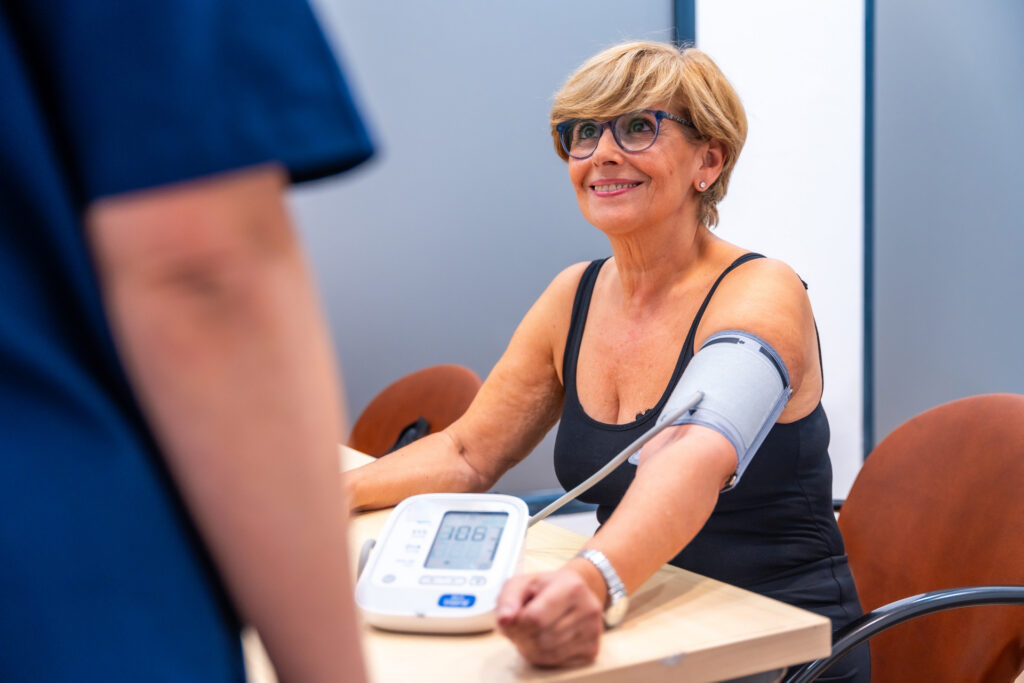
The Importance of Regular Blood Pressure Monitoring lies in its ability to detect early signs of hypertension and other cardiovascular conditions before serious complications develop. Consistently checking blood pressure helps patients and healthcare providers make informed decisions about lifestyle changes, medications, and preventive care that support long-term heart health.
Regular monitoring is especially important because high blood pressure often develops without noticeable symptoms. By tracking readings over time, individuals can reduce their risk of heart disease, stroke, kidney damage, and other preventable health concerns.
Understanding the Importance of Regular Blood Pressure Monitoring is essential for anyone who wants to protect their long-term health and wellness. Blood pressure is one of the clearest indicators of how well the heart and blood vessels are functioning, yet many people do not realize they have elevated blood pressure until complications begin to appear. Because hypertension often develops silently, routine monitoring can play a critical role in early detection and prevention.
For adults of all ages, regular blood pressure checks provide valuable insight into overall cardiovascular health. Monitoring blood pressure consistently allows healthcare providers to identify patterns, recommend lifestyle improvements, and determine whether treatment is necessary before more serious conditions develop. Whether someone has a history of hypertension or simply wants to maintain a healthy lifestyle, routine monitoring is a simple but effective step toward preventive healthcare.
Primary care providers are often the first line of defense in identifying and managing high blood pressure. Through regular checkups and ongoing support, patients can better understand their numbers, lower their risks, and take control of their overall health.
Why Is Regular Blood Pressure Monitoring Important for Preventive Healthcare?
The Importance of Regular Blood Pressure Monitoring becomes especially clear when considering how many serious health conditions are connected to uncontrolled hypertension. High blood pressure is frequently called a “silent condition” because many individuals experience no symptoms until damage has already occurred. Without routine monitoring, elevated blood pressure may go unnoticed for years while quietly affecting the heart, blood vessels, kidneys, and brain.
Preventive healthcare focuses on identifying health risks early before they develop into more severe medical problems. Regular blood pressure checks allow healthcare providers to detect trends and changes over time, making it easier to intervene before complications arise. When elevated readings are identified early, patients can often improve their health through lifestyle changes such as healthier eating habits, increased physical activity, stress management, and reduced sodium intake.
Routine monitoring also helps establish a baseline for cardiovascular health. Even individuals who currently have normal blood pressure can benefit from periodic checks because blood pressure naturally changes with age, stress levels, weight fluctuations, and other lifestyle factors. Monitoring provides valuable information that can guide future healthcare decisions and encourage patients to stay proactive about their wellness.
In a primary care setting, blood pressure monitoring is one of the simplest and most effective preventive tools available. It supports early diagnosis, encourages patient awareness, and allows providers to create personalized care plans that reduce the risk of long-term complications. Understanding the Importance of Regular Blood Pressure Monitoring empowers patients to take preventive action and prioritize their cardiovascular health before problems become more difficult to manage.
Related: What Your Lab Results Actually Mean for Your Health
How Does High Blood Pressure Affect Overall Health?
Many people underestimate how significantly hypertension can impact the body over time. The Importance of Regular Blood Pressure Monitoring becomes even more important when individuals understand the widespread effects that uncontrolled blood pressure can have on major organs and body systems. When blood pressure remains elevated for long periods, the heart and blood vessels experience additional strain that gradually increases the risk of serious medical complications.
One of the most concerning effects of high blood pressure is its connection to heart disease. Elevated pressure forces the heart to work harder than normal, which can eventually weaken the heart muscle and contribute to heart failure, heart attacks, and irregular heart rhythms. High blood pressure can also damage arteries, reducing their flexibility and making it more difficult for blood to circulate efficiently throughout the body.
The brain is another area that can be affected by uncontrolled hypertension. High blood pressure increases the likelihood of strokes and cognitive decline because damaged blood vessels may reduce oxygen supply to brain tissue. Kidney damage is also common among individuals with untreated hypertension, as the kidneys rely on healthy blood vessels to filter waste effectively.
Regular monitoring allows healthcare providers to identify rising blood pressure before these complications become severe. Patients who routinely track their readings are more likely to recognize warning signs, follow treatment recommendations, and make healthier lifestyle decisions. Understanding the Importance of Regular Blood Pressure Monitoring helps individuals appreciate that blood pressure management is not only about avoiding hypertension but also about protecting the overall function of the body.
Related: Why Preventative Care Becomes More Important After Age 40
What Are the Warning Signs and Risk Factors for High Blood Pressure?
Although high blood pressure often develops without symptoms, certain warning signs and risk factors can increase the likelihood of hypertension. Recognizing these factors reinforces the Importance of Regular Blood Pressure Monitoring because many people may be at risk without realizing it.
Several common risk factors contribute to elevated blood pressure:
- Family history of hypertension or cardiovascular disease
- Excess body weight or obesity
- Physical inactivity
- High sodium intake
- Smoking or tobacco use
- Excessive alcohol consumption
- Chronic stress
- Diabetes or kidney disease
- Aging and hormonal changes
Some individuals may occasionally experience symptoms such as headaches, dizziness, blurred vision, chest discomfort, or shortness of breath when blood pressure becomes dangerously elevated. However, these symptoms are not always present, which is why routine monitoring is essential even for people who feel healthy.
Lifestyle habits can also play a significant role in blood pressure changes. Poor sleep quality, long-term stress, and unhealthy dietary patterns can gradually contribute to higher readings over time. Individuals who have multiple risk factors should be especially proactive about scheduling routine checkups and monitoring their numbers consistently.
Primary care providers can help patients evaluate their individual risk levels and determine how frequently blood pressure should be checked. Early identification of risk factors allows patients to make targeted lifestyle improvements that may prevent future complications. The Importance of Regular Blood Pressure Monitoring extends beyond diagnosis because it gives individuals the opportunity to recognize potential concerns early and make meaningful changes before serious health conditions develop.
Related: How Early Detection Changes Health Outcomes
How Often Should Blood Pressure Be Checked?
The ideal frequency for blood pressure monitoring depends on a person’s age, medical history, lifestyle, and overall cardiovascular risk. Understanding the Importance of Regular Blood Pressure Monitoring includes knowing that consistent checks can help detect changes before they become serious health concerns.
For many healthy adults with normal blood pressure readings, annual monitoring during routine primary care visits may be sufficient. However, individuals with elevated blood pressure, a family history of hypertension, diabetes, kidney disease, or other cardiovascular risk factors may need more frequent monitoring. Patients who are already taking blood pressure medication often benefit from regular home monitoring in addition to scheduled healthcare visits.
There are several situations when more frequent monitoring may be recommended:
- After starting or adjusting blood pressure medication
- During periods of increased stress or illness
- When lifestyle changes are being implemented
- During pregnancy or hormonal changes
- If previous readings were consistently elevated
- Following a cardiovascular event such as a stroke or heart attack
Home blood pressure monitors can be useful tools for tracking readings between appointments. Keeping a record of measurements helps healthcare providers identify trends and determine whether treatment plans are effective. Consistency is important because blood pressure can fluctuate throughout the day depending on activity levels, stress, diet, and sleep.
Patients should also understand that one high reading does not always indicate chronic hypertension. Monitoring over time provides a clearer picture of cardiovascular health and helps avoid unnecessary anxiety or misdiagnosis. The Importance of Regular Blood Pressure Monitoring lies in its ability to provide ongoing insight that supports timely medical intervention and long-term health management.
Related: The Role of Primary Care in Preventing Serious Health Issues
Can Lifestyle Changes Help Control Blood Pressure?
Lifestyle improvements are often one of the most effective ways to manage and reduce high blood pressure. The Importance of Regular Blood Pressure Monitoring becomes especially valuable when patients use their readings to measure the effectiveness of healthy lifestyle changes over time. Small adjustments to daily habits can significantly improve cardiovascular health and reduce the need for medication in some cases.
Nutrition plays a major role in blood pressure control. Diets that emphasize fruits, vegetables, lean proteins, whole grains, and reduced sodium intake can help support healthier blood pressure levels. Staying physically active is equally important because regular exercise improves circulation, strengthens the heart, and helps maintain a healthy weight.
Stress management is another critical component of blood pressure control. Chronic stress may contribute to elevated readings and unhealthy coping habits such as overeating, smoking, or excessive alcohol consumption. Techniques like mindfulness, meditation, adequate sleep, and relaxation exercises can support both emotional wellness and cardiovascular health.
Patients who regularly monitor their blood pressure often feel more motivated to maintain healthy routines because they can see measurable improvements in their readings. Monitoring also helps healthcare providers determine whether lifestyle changes alone are effective or whether additional treatment may be necessary.
Consistency is essential when making lifestyle adjustments. Improvements may take time, but long-term healthy habits can greatly reduce the risk of complications associated with hypertension. Understanding the Importance of Regular Blood Pressure Monitoring encourages individuals to remain engaged in their health journey and make informed decisions that support lasting wellness.
Why Should Patients Work With a Primary Care Provider for Blood Pressure Management?
Managing blood pressure effectively often requires more than occasional self-monitoring. The Importance of Regular Blood Pressure Monitoring is closely connected to having consistent support from a trusted primary care provider who can evaluate overall health, identify risk factors, and guide patients through personalized treatment plans.
Primary care providers play a central role in preventive healthcare because they monitor long-term trends rather than relying on isolated readings. They can determine whether blood pressure changes are temporary or part of a developing medical condition that requires intervention. Providers also assess additional health factors such as cholesterol levels, weight management, diabetes risk, and family medical history.
Routine appointments create opportunities for patients to discuss symptoms, medication concerns, lifestyle habits, and treatment progress. Blood pressure management is often most successful when patients receive ongoing education and encouragement from healthcare professionals who understand their individual needs.
A primary care provider can also help patients avoid complications associated with untreated hypertension by recommending early interventions and adjusting care plans when necessary. This may include prescribing medication, recommending dietary improvements, encouraging exercise routines, or coordinating care with specialists if more advanced treatment is needed.
For many patients, regular primary care visits create accountability and help reinforce healthy habits. Monitoring blood pressure in a clinical setting also ensures that readings are accurate and interpreted correctly. The Importance of Regular Blood Pressure Monitoring becomes much more effective when combined with professional medical guidance that supports long-term cardiovascular health.
FAQ
What is considered a healthy blood pressure reading?
A normal blood pressure reading is generally considered to be around 120/80 mmHg. However, ideal ranges can vary depending on age, medical history, and overall health.
Can stress temporarily raise blood pressure?
Yes, stress can temporarily increase blood pressure levels. Chronic stress may also contribute to long-term hypertension if healthy coping strategies are not practiced.
Is home blood pressure monitoring accurate?
Home blood pressure monitors can be accurate when used correctly and calibrated properly. Patients should follow device instructions carefully and discuss readings with their healthcare provider.
The Importance of Regular Blood Pressure Monitoring cannot be overstated when it comes to protecting long-term cardiovascular health. Routine monitoring helps detect hypertension early, supports preventive care, and allows patients to make informed decisions about lifestyle changes and treatment options before serious complications develop.
Working with a trusted primary care provider can make blood pressure management more effective and personalized. Through regular checkups, ongoing monitoring, and preventive care, patients can take meaningful steps toward maintaining healthier lives and reducing their risk of heart disease, stroke, and other chronic conditions.
If you are looking for compassionate and personalized healthcare in Albuquerque, New Mexico, the team at Primary Care of Albuquerque is here to help. Jana Welder, FNP, and the experienced medical staff are dedicated to helping patients take control of their cardiovascular health through preventive care, routine wellness visits, and ongoing blood pressure management.
Schedule an appointment with Primary Care of Albuquerque today to stay proactive about your health and receive trusted primary care support tailored to your individual needs.