
Early detection plays a critical role in improving health outcomes because it allows diseases to be identified and treated before they progress to more serious stages. When conditions such as cancer, diabetes, and heart disease are caught early, treatment is often simpler, more effective, and less costly. For patients and healthcare providers alike, early detection can significantly increase survival rates and improve overall quality of life.
Preventive healthcare has become one of the most powerful tools in modern medicine, and early detection is at the center of it. Identifying health conditions in their earliest stages gives patients the best chance for successful treatment, reduced complications, and long-term wellness. For individuals and families seeking reliable medical care, understanding how early detection works can make a meaningful difference in their health journey.
At practices such as Primary Care of Albuquerque, routine screenings, check-ups, and preventive services are designed to catch potential health issues before they develop into serious medical problems. When healthcare providers detect diseases early, they can begin treatment sooner, monitor progression more effectively, and help patients maintain a higher quality of life.
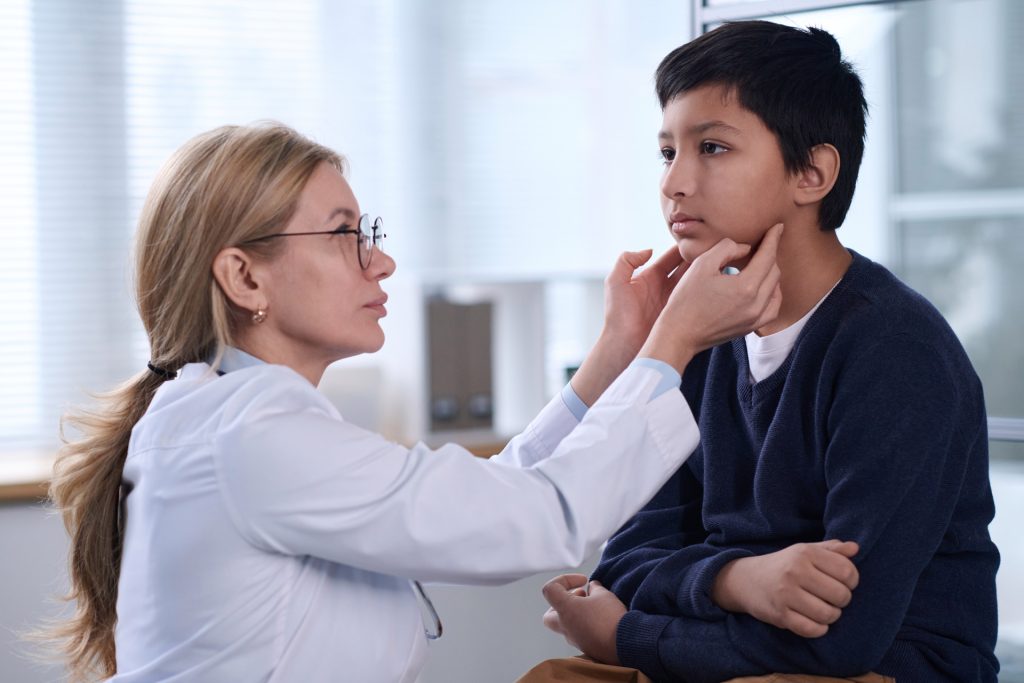
For many people, healthcare often begins only when symptoms appear. However, by the time symptoms develop, some conditions may already be advanced. Early detection changes that timeline. Through regular exams, diagnostic testing, and preventive care, healthcare professionals can identify warning signs that patients may not yet notice.
Understanding how early detection impacts health outcomes helps patients take a more proactive role in their healthcare decisions. From routine screenings to preventive consultations, early intervention can transform how diseases are treated and managed.
Why Is Early Detection Important in Preventive Healthcare?
Preventive healthcare focuses on identifying potential health risks before they develop into serious illnesses. Early detection is a central component of this approach because it allows medical professionals to intervene at the earliest possible stage of disease development. When conditions are caught early, treatments are often more effective and less invasive.
Many common diseases progress slowly over time. Conditions such as high blood pressure, diabetes, and certain cancers may develop without noticeable symptoms during their early stages. Without routine screenings or preventive check-ups, these illnesses may go undetected until they begin causing significant health complications.
Early detection enables healthcare providers to monitor subtle changes in a patient’s health indicators. Blood tests, imaging, and physical exams can reveal abnormalities long before symptoms appear. This proactive approach allows physicians to recommend lifestyle changes, medications, or further testing that may prevent the condition from worsening.
Another important benefit of early detection is improved patient education. When individuals understand their health risks early, they are more likely to adopt healthier behaviors and follow treatment plans that support long-term wellness. This collaborative relationship between patient and provider can lead to better health management and improved outcomes.
For communities served by practices like Primary Care of Albuquerque, prioritizing early detection helps shift healthcare from reactive treatment to proactive prevention. Instead of waiting for illness to progress, patients gain the opportunity to protect their health before problems become severe.
Related: The Role of Primary Care in Preventing Serious Health Issues
How Does Early Detection Improve Treatment Success?
One of the most significant advantages of early detection is the dramatic improvement it can bring to treatment outcomes. When diseases are diagnosed early, medical professionals can begin targeted treatment plans before the condition has advanced or spread throughout the body.
In many cases, early-stage diseases are easier to manage because they have not yet caused extensive damage to organs or tissues. For example, cancers detected at an early stage are often localized and may respond well to surgery or less aggressive treatments. Similarly, chronic conditions such as diabetes can often be managed more effectively when diagnosed before complications develop.
Early detection also allows healthcare providers to monitor the progression of disease more closely. When a condition is identified early, doctors can track how it responds to treatment and make adjustments as necessary. This ongoing evaluation helps ensure that patients receive the most effective care at every stage of treatment.
Patients who receive early diagnoses often experience better quality of life as well. Because treatment can begin sooner, they may avoid severe symptoms, hospitalizations, and long-term complications associated with advanced disease. Early treatment can also reduce the emotional stress that comes with managing serious health problems.
Healthcare providers emphasize early detection because it transforms the treatment process from crisis management into proactive care. With earlier diagnoses and personalized treatment plans, patients are better positioned to recover, manage chronic conditions, and maintain healthier lives.
Related: Health Changes to Watch for as You Get Older
What Types of Screenings Help With Early Detection?
Routine screenings are one of the most effective tools for early detection. These medical tests are designed to identify potential health issues before symptoms appear, allowing healthcare providers to begin monitoring or treatment as early as possible.
Primary care physicians often recommend screenings based on factors such as age, family medical history, lifestyle, and individual risk levels. By tailoring these recommendations to each patient, healthcare providers can detect a wide range of conditions in their earliest stages.
Common screenings used for early detection include:
- Blood pressure screenings to identify hypertension and cardiovascular risk
- Cholesterol testing to evaluate heart disease risk
- Blood glucose tests to detect prediabetes or diabetes
- Cancer screenings, such as mammograms or colon cancer screenings
- Routine physical exams that help physicians detect subtle health changes
- Body mass index (BMI) assessments to monitor weight-related health risks
These screenings are typically quick, minimally invasive, and highly informative. Many of them can be performed during a regular primary care visit, making them convenient for patients who want to stay proactive about their health.
Regular screening schedules also help create a long-term health record. Over time, this data allows physicians to identify patterns, track improvements, and detect early warning signs that might otherwise go unnoticed.
By participating in recommended screenings, patients actively support the process of early detection and increase their chances of identifying health concerns before they become serious.
Related: Stress and Your Physical Health: What Primary Care Doctors Look For
Which Conditions Benefit Most From Early Detection?
Many medical conditions show significantly improved outcomes when identified through early detection. Some diseases develop slowly and may not cause noticeable symptoms in their earliest stages, making regular medical screenings especially valuable.
Cancer is one of the most well-known examples. Certain types of cancer can be treated far more effectively when detected early, before the disease spreads to other parts of the body. Screening tests for breast, cervical, colorectal, and prostate cancers are designed specifically to identify abnormalities during early stages.
Chronic diseases also benefit greatly from early diagnosis. Diabetes, for example, may begin with mild changes in blood sugar levels that patients do not notice. Detecting these changes early allows healthcare providers to recommend lifestyle adjustments and medical treatments that help prevent serious complications such as nerve damage or kidney disease.
Heart disease is another condition where early detection can be life-saving. Identifying high cholesterol, elevated blood pressure, or other cardiovascular risk factors early enables patients to make changes that reduce the likelihood of heart attacks or strokes later in life.
Respiratory conditions, thyroid disorders, and certain autoimmune diseases can also be managed more successfully when caught early. In many cases, early diagnosis allows physicians to slow disease progression and minimize long-term health impacts.
The earlier these conditions are identified, the greater the opportunity to manage them effectively. This is why healthcare providers emphasize regular check-ups and preventive screenings as essential parts of maintaining long-term health.
Related: Why Honest Communication With Your Doctor Matters
How Can Patients Take Advantage of Early Detection?
Patients play an important role in the success of early detection efforts. While healthcare providers recommend screenings and preventive services, individuals must also take proactive steps to schedule appointments and stay informed about their personal health risks.
One of the most effective strategies is maintaining regular visits with a primary care provider. Routine check-ups allow physicians to monitor health changes over time and recommend appropriate screenings based on age, medical history, and lifestyle factors.
Patients can support early detection by following several important practices:
- Scheduling annual physical exams even when they feel healthy
- Following recommended screening schedules for age and risk level
- Discussing family medical history with healthcare providers
- Reporting new symptoms or unusual changes as soon as they appear
- Maintaining healthy lifestyle habits that reduce disease risk
- Keeping track of medical records and screening results
Staying informed about personal health risks also empowers patients to make better decisions about preventive care. Individuals with a family history of certain diseases may benefit from earlier or more frequent screenings.
Open communication with healthcare providers is another key factor. Patients who ask questions and share concerns help physicians identify potential problems more quickly.
Ultimately, early detection works best when patients and healthcare providers collaborate. Through regular check-ups, recommended screenings, and open dialogue, individuals can take meaningful steps to protect their health and improve long-term outcomes.
Can Early Detection Reduce Healthcare Costs?
Beyond improving health outcomes, early detection can also reduce long-term healthcare costs for both patients and healthcare systems. When diseases are caught in their early stages, treatment is often simpler and less expensive than managing advanced conditions.
For example, treating early-stage cancer may involve localized procedures or targeted therapies. In contrast, advanced-stage cancer treatments may require extensive surgery, chemotherapy, radiation therapy, or long-term hospitalization. The financial difference between these treatment stages can be significant.
Chronic diseases also illustrate the economic value of early detection. Identifying conditions such as hypertension or diabetes early allows patients to begin treatment before complications develop. Preventing complications such as heart disease, kidney failure, or stroke reduces the need for costly emergency care and specialized treatments.
Preventive care services, including screenings and routine check-ups, are typically more affordable than advanced medical interventions. Many insurance plans encourage preventive services because they reduce the likelihood of expensive long-term treatments.
Early detection also minimizes indirect costs associated with illness. When diseases are identified and managed early, patients are less likely to miss work, experience long-term disability, or require extended recovery periods.
By prioritizing preventive healthcare and early detection, both patients and healthcare providers can focus on maintaining health rather than managing advanced disease. This proactive approach supports better health outcomes while helping reduce the overall financial burden of medical care.
FAQ: Early Detection
What does early detection mean in healthcare?
Early detection refers to identifying diseases or medical conditions before noticeable symptoms appear. This is typically done through routine screenings, tests, and preventive check-ups.
Why does early detection improve survival rates?
Diseases caught early are often easier to treat because they have not yet caused widespread damage. Early treatment increases the chances of successful recovery and reduces complications.
How often should someone get preventive screenings?
Screening frequency depends on age, medical history, and risk factors. A primary care provider can recommend the most appropriate schedule for each patient.
Preventive care and early detection can make a meaningful difference in your long-term health. Regular check-ups, screenings, and conversations with a trusted healthcare provider help identify potential concerns before they become serious problems.
If you’re looking for personalized, preventive-focused healthcare in Albuquerque, New Mexico, the team at Primary Care of Albuquerque is here to help. Led by experienced provider Jana Welder, FNP, the practice focuses on proactive care, routine screenings, and ongoing health management designed to support patients at every stage of life.
Scheduling regular visits with a primary care provider allows you to stay ahead of potential health issues and take control of your wellness. Whether you need a routine physical exam, preventive screenings, or ongoing care for chronic conditions, Primary Care of Albuquerque is committed to helping patients in Albuquerque, New Mexico maintain healthier lives through early detection and personalized care.
Schedule an appointment with Jana Welder, FNP at Primary Care of Albuquerque today and take an important step toward protecting your long-term health.